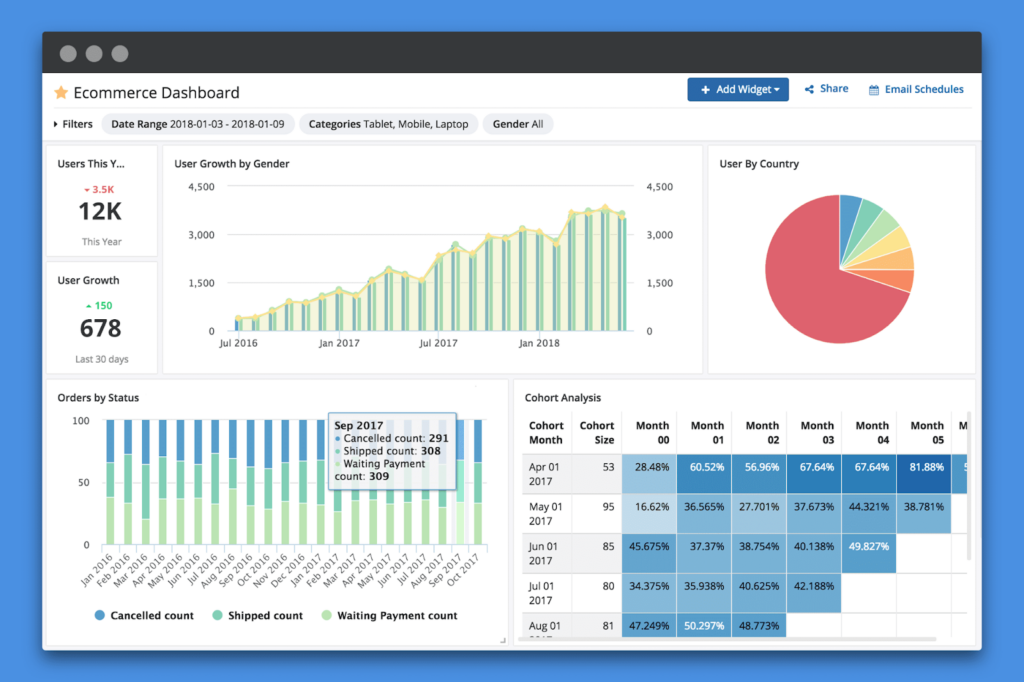
SQL reporting dashboard showing automated business data analytics and reporting system
SQL Reporting & Data Automation
SQL Reporting & Data Automation helps businesses transform raw operational data into reliable reports, dashboards, and decision-ready insights. Many organizations still prepare reports manually or rely on fragmented spreadsheets created by different departments.
This approach makes reporting slow, inconsistent, and difficult to trust. When data is collected manually from multiple systems, errors become common and decision-makers often receive outdated or incomplete information.
We build SQL-driven reporting systems and automated data processes that transform raw operational data into structured and reliable business intelligence. Our solutions allow companies to automate reporting logic, eliminate manual work, and create real-time operational visibility.
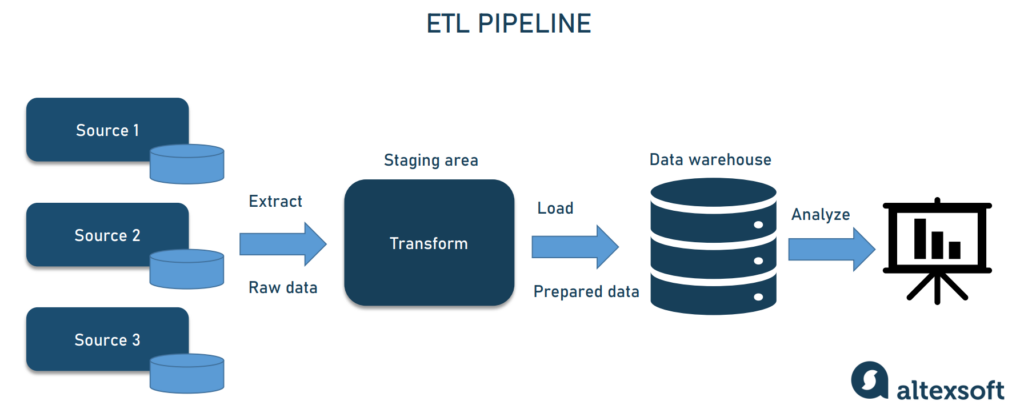
SQL data pipeline architecture for automated business reporting systems
What is SQL Reporting & Data Automation?
SQL Reporting & Data Automation refers to the process of using structured SQL databases, automated queries, and reporting workflows to generate accurate reports without manual intervention. Instead of employees exporting data from multiple systems and preparing reports manually, SQL automation creates consistent data pipelines that run automatically.
These systems collect data from operational sources, transform it according to business rules, and present the results in dashboards or structured reports that managers can trust.
As companies grow and data volumes increase, automated reporting becomes essential for maintaining operational control and making timely decisions.
What We Build
Our SQL Reporting & Data Automation solutions are designed around real operational needs. Instead of generic reporting tools, we build custom SQL-based reporting environments tailored to the structure of your business systems and processes.
- SQL reporting systems
- Stored procedures for business logic
- Automated data pipelines
- Operational dashboards
- Business rule-based data processing
- Automated KPI and performance reports
- Integrated reporting across multiple data sources
These systems ensure that reporting becomes a structured and repeatable process rather than a manual task performed by individual employees.
Common Reporting Challenges
Many companies experience similar reporting problems as they grow. Data is scattered across multiple systems and departments rely heavily on spreadsheets to combine information. As a result, reports often take hours or even days to prepare.
- Manual report preparation
- Delayed access to business data
- Inconsistent numbers across teams
- Unstructured operational reporting
- Too much Excel dependency
- Lack of centralized reporting logic
These issues create confusion and slow decision-making processes. SQL Reporting & Data Automation addresses these challenges by creating structured data pipelines that prepare business information automatically.
Benefits of Data Automation
Automated reporting systems provide businesses with faster and more reliable access to operational information. Instead of manually collecting data every week or month, SQL automation ensures that reports are always prepared consistently.
- Reliable reporting
- Faster data access
- Less manual work
- Improved visibility for managers
- Scalable reporting processes
- Better operational transparency
With SQL Reporting & Data Automation, companies gain a structured reporting environment where operational and financial data can be accessed quickly and accurately.
Automation That Supports Decisions
Reliable reporting plays a critical role in effective business management. When data pipelines and SQL reporting logic are automated, managers can access real-time insights that support faster and more confident decisions.
Instead of waiting for manual reports, leaders can view operational dashboards, financial summaries, and performance indicators instantly. This allows organizations to respond quickly to changes and maintain better control over their operations.
Our SQL automation solutions help businesses move from manual reporting to decision-ready dashboards and reliable operational visibility.
Who Can Benefit from SQL Reporting & Data Automation?
SQL Reporting & Data Automation is especially valuable for organizations that handle large volumes of operational or financial data. Companies operating in finance, logistics, retail, manufacturing, distribution, and multi-branch business environments often rely on frequent reporting cycles.
When these reports are prepared manually, the process becomes inefficient and error-prone. Automated SQL reporting systems provide a stable foundation where data can be processed, analyzed, and presented consistently.
This enables businesses to scale operations while maintaining control over their reporting processes.
Build a Reliable Reporting Infrastructure
If your organization still relies on manual spreadsheets, repetitive exports, and fragmented reporting workflows, SQL Reporting & Data Automation can dramatically improve your operational efficiency.
By implementing structured SQL reporting systems and automated data pipelines, businesses gain reliable access to operational insights that support better planning and stronger decision-making.
Contact us to learn how automated reporting solutions can transform your business reporting environment.